Today's media landscape is no stranger to accommodating immediate change. While media professionals face an increasing dominance by metrics and algorithm-driven content, there still remain editorial voices that reconnect us with the true meaning of media. Kiara Ferreira from media update speaks with Barnard Beukman, Editor of South Africa's new print publication, Die Papier.
The decline of print media has recently been a widely discussed topic in South Africa's media industry, especially with the closure of several respected print publications in response to the impatient rise of the digital era.
This alteration has not only left certain local communities in profound silence, it has created a void within the broader media landscape itself. Where there once was a deep commitment to ethical journalism, there now exists an impersonal, unlimited flow of online information — and the tactile nature of print is increasingly missed.
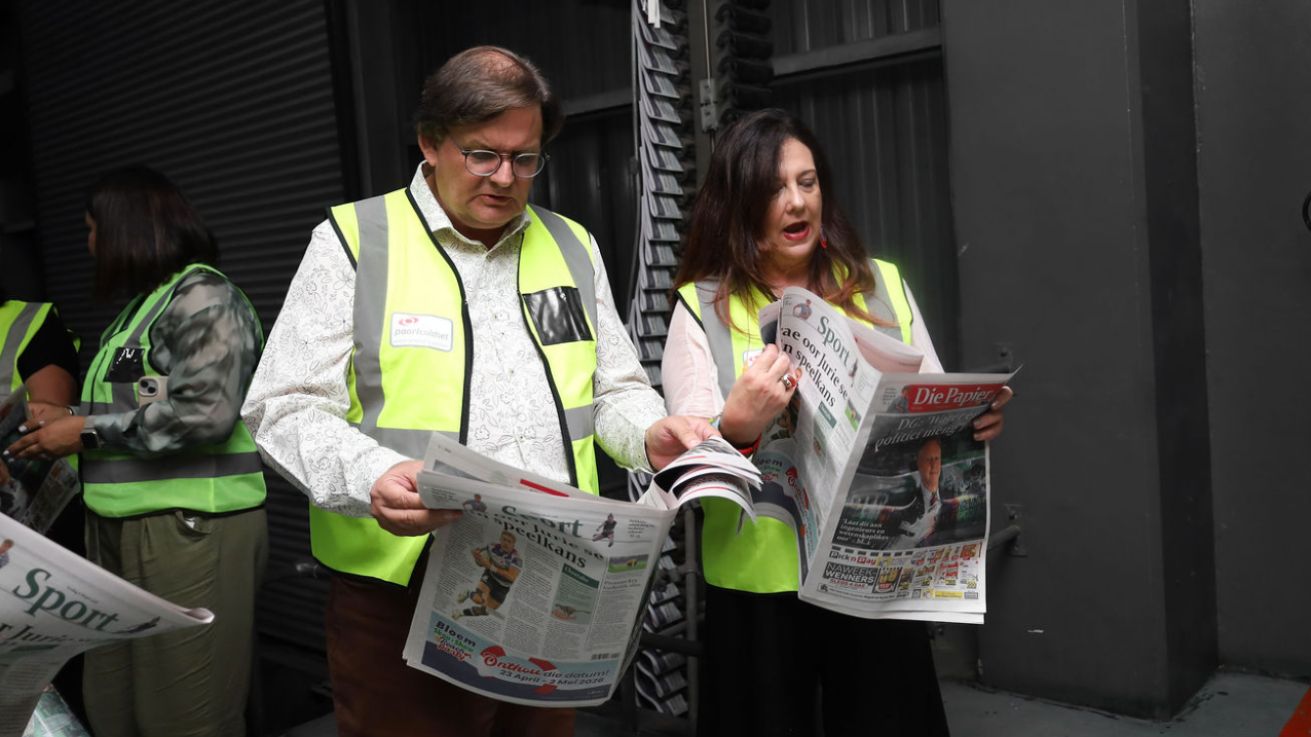
Yet, in the first week of March 2026, a certain publishing team was working tirelessly to prepare for the launch of the new Afrikaans print publication, Die Papier — reminding audiences that print refuses to stay passive.
Editor of Die Papier, and former Editor of lamented news sources Rapport and Beeld, Barnard Beukman, talks to media update about his lasting passion for delivering reader-focused, intentional news — especially intended for those longing to feel the ink on their fingertips.
In an era dominated by digital immediacy, what do you believe print media understands about audiences that digital platforms often overlook?
Audiences are already answering this question themselves. Research has shown that people are overwhelmed by too much information online and cannot always distinguish between fake news and the truth. To such an extent, that the International News Media Association (INMA) indicated in 2024 already that some digital media platforms are creating e-newspapers online. Even some who historically never had newspapers.
Digital remains the major channel and Die Papier is also available as an e-newspaper and launched a fresh looking and innovative website to develop further. The print edition is for a smaller, but still important and higher income group who still wants it.
From your perspective as an Editor, how has the role of print evolved over the years, both in format and in purpose?
To an extent, it remains the same. It is a news offering for anyone who could still make time to enjoy their reading during some personal "me time" with a cup of coffee or breakfast. In this time they are not only scanning headlines but actually are enjoying the content. The advantage of a weekly is you can keep it or carry it with you to consume over several days. This also has a huge impact and benefit for clever advertisers.
You state that Die Papier will have a strong focus on giving rise to contextual, meaningful discourse. What does purposeful audience engagement look like for a print publication — and how is it different from digital engagement?
We get a lot of anecdotal feedback from readers who complain that online discourse is becoming toxic. Discourse on paper is a bit slower, but more thoughtful and curated in the guidelines of the press code. The focus is on the topic and not on insulting each other.
At the recent Pulse Media Leadership Conference in Johannesburg, the representative of an icon brand expressed concern about the uncontrolled environment brands find themselves in online. In print you can see where you are.
Has the shift towards analytics-driven content in digital media changed how you as an editor think about value, depth and credibility? How does print resist or respond to that pressure?
Analytics is an important tool to indicate readers preferences, but should complement content selections. If it becomes analytics-driven, the goal becomes the driving up of huge waves to mine data or clickbait driven content — then real journalism is not the goal anymore.
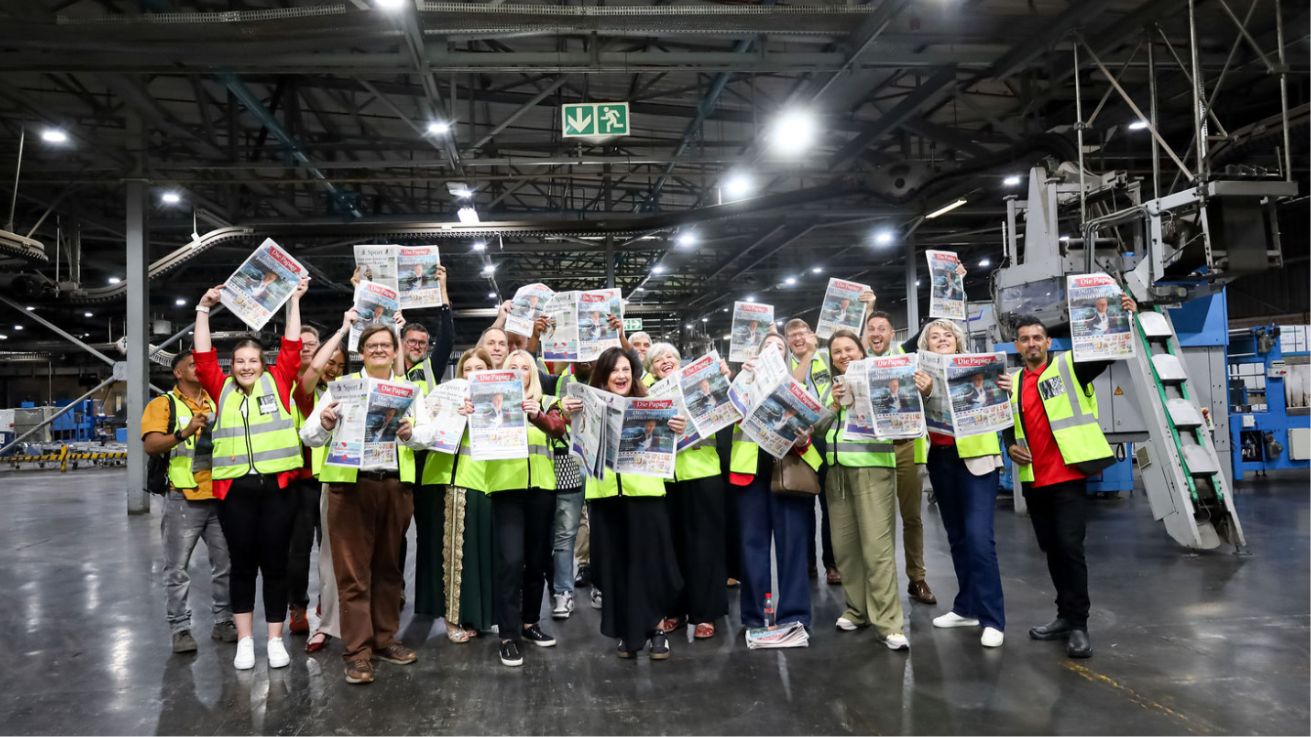
Die Papier has a vast target audience — you have stated that your aim is to include readers from all generations. What misconceptions do younger audiences have about print publications?
To a large extent it is not a part of their term of reference anymore. But it has become more and more prevalent that younger generations also like the idea of touching an item they've bought — smelling it, feeling it. The Swifties in the USA are driving a new sales surge of Vinyl music records for that reason.
It will never overtake online sales again, but there is still a lot of income in it because of those who still want it and want to take the experience home with them. The same applies with newspapers.
Did you find this Q&A insightful? Let us know in the comments section below.
Want to stay up-to-date with the latest news? Subscribe to our newsletter.
*Images courtesy of Bronwen Hirshowitz